Practical answers for organizers planning a keynote in Philadelphia, from venues and arrivals to hotels, audience expectations and how to build a memorable programme around Dr. Ilgen’s talk.
Which venues host corporate events in Philadelphia?
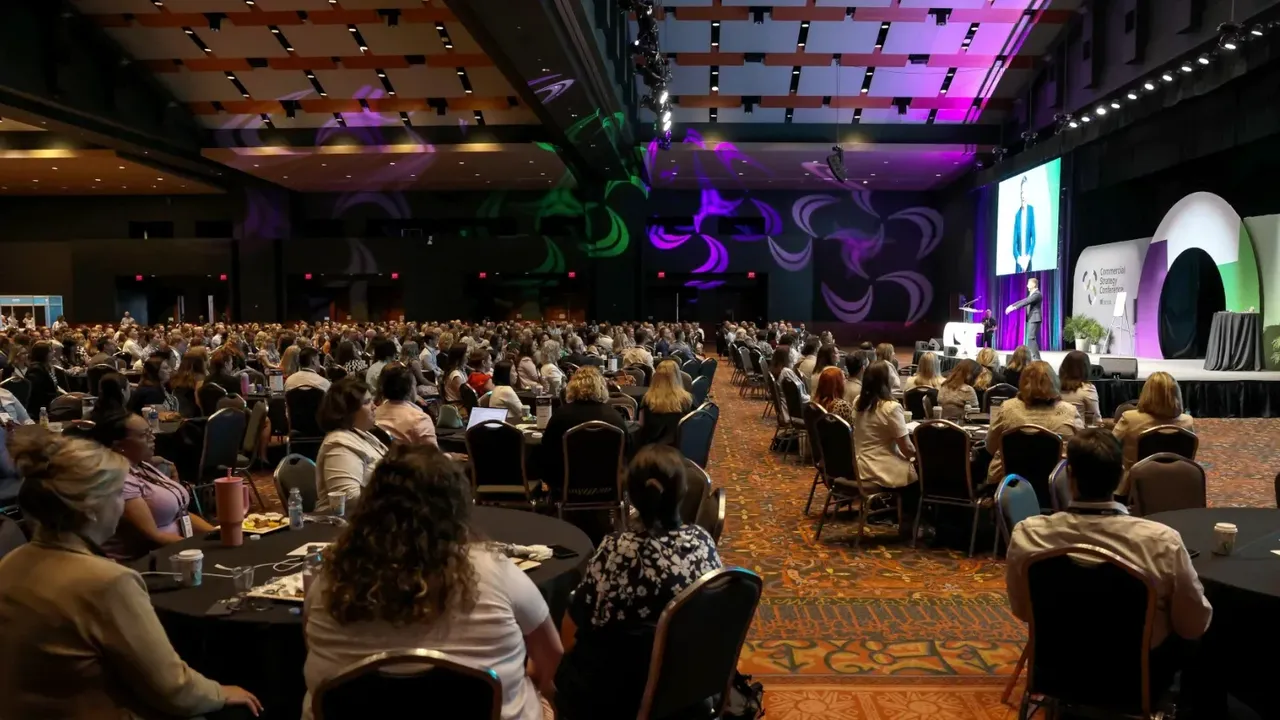
The Pennsylvania Convention Center offers 528,000 square feet of continuous exhibit space and a ballroom of about 55,400 square feet, suited to major congresses. Hotel ballrooms around Market Street and Rittenhouse Square fit corporate conferences. For executive meetings or prestige evenings, consider cultural venues on the Benjamin Franklin Parkway, or The Navy Yard, a 1,200-acre waterfront business campus, for offsites.
How do speakers and delegates get to Philadelphia?
Philadelphia International Airport (PHL) is about 8 miles from Center City, roughly 25 minutes on the SEPTA Airport Line or about 20 minutes by taxi. William H. Gray III 30th Street Station sits on Amtrak’s Northeast Corridor, with Acela trains reaching New York in about 1 hour and 15 minutes and Washington, D.C. in under two hours.
How do groups move around Philadelphia on event day?
Center City’s compact street grid between the Delaware and Schuylkill rivers makes many hotel-to-venue transfers walkable. SEPTA’s Regional Rail stops at Jefferson Station, right by the Pennsylvania Convention Center, while subway lines along Market Street and Broad Street link Center City with University City and South Philadelphia. For The Navy Yard or suburban venues, chartered coaches are the most reliable choice for groups.
Where should attendees stay, and what will it cost?
Most delegates stay in Center City, where more than 10,000 hotel rooms are within walking distance of the convention center, including the Philadelphia Marriott Downtown, linked by skywalk. Rittenhouse Square suits executive groups, and University City works for events near Penn and Drexel. Budget for a combined hotel tax of 15.5%, and expect higher rates during citywide conventions.
What should you know about Philadelphia business audiences?
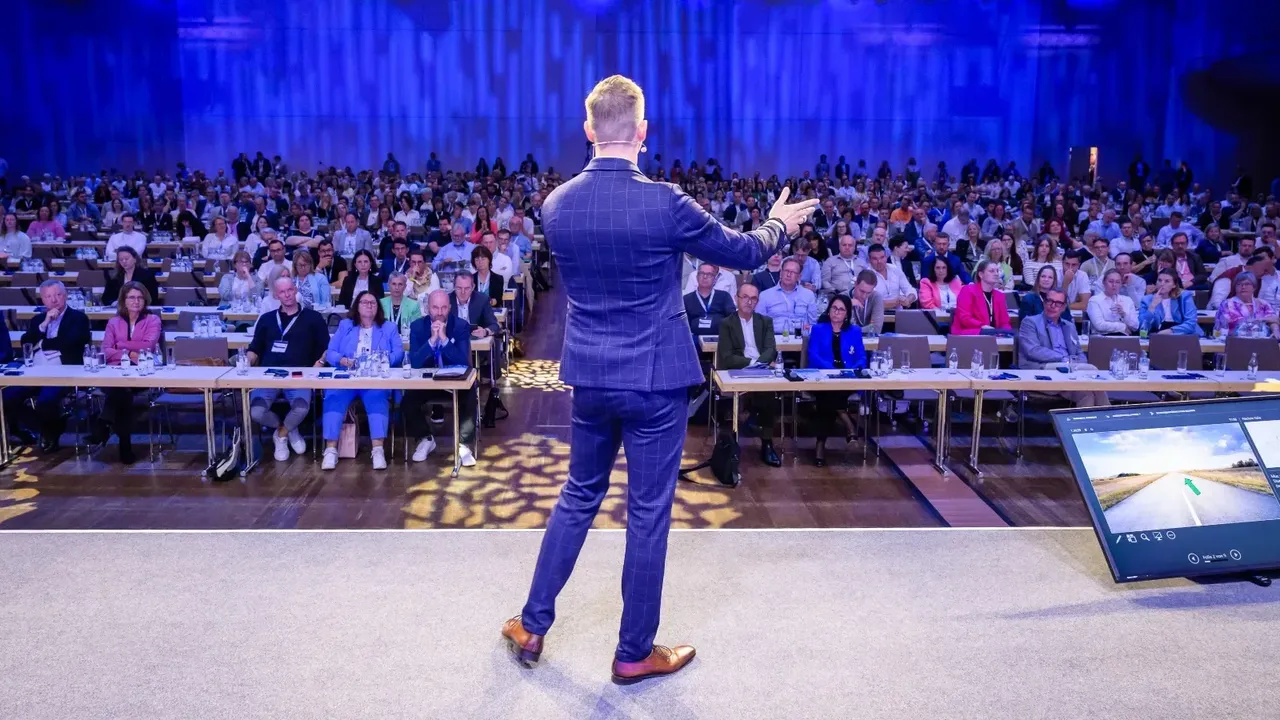
Many attendees come from research, medicine or finance, where claims are expected to be backed by evidence, so substance carries more weight than showmanship alone. Communication tends to be direct, and Q&A sessions are often lively, so plan time for them. Sessions are expected to start on schedule. Audiences frequently mix local professionals with national association delegates, which favors examples that work across industries.
How do you build a programme around the keynote?
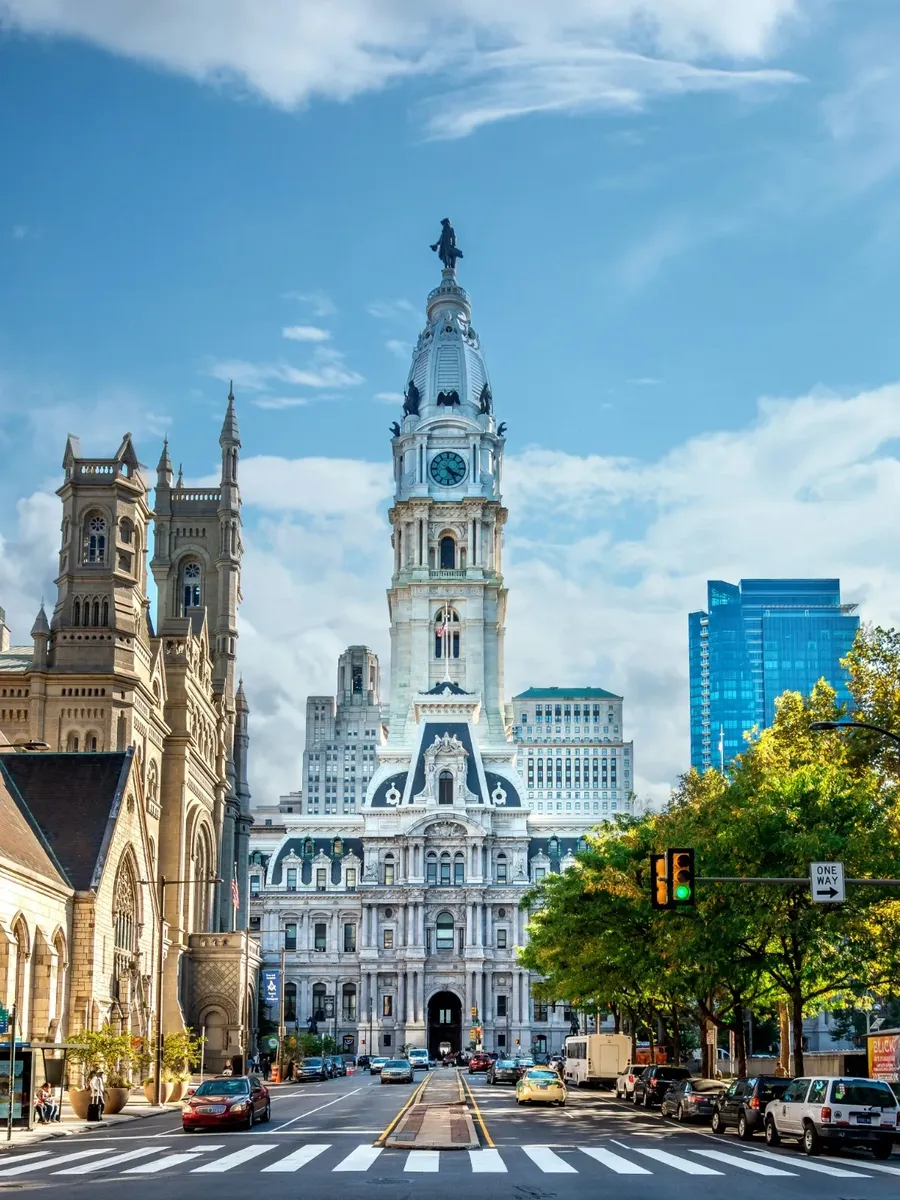
Philadelphia offers natural bridges between a keynote and the city itself. A guided walk through the historic district around Independence Hall connects a change message to the city’s founding story. Evenings work well at the Philadelphia Art Museum or the Barnes Foundation. For something informal, the convention center’s location in the heart of Center City puts Reading Terminal Market’s food stalls steps away.