Practical ground detail for organisers building a keynote into a Tokyo programme — venues, arrivals, movement on the day, accommodation and what to expect from the room.
Which venues host corporate events in Tokyo?
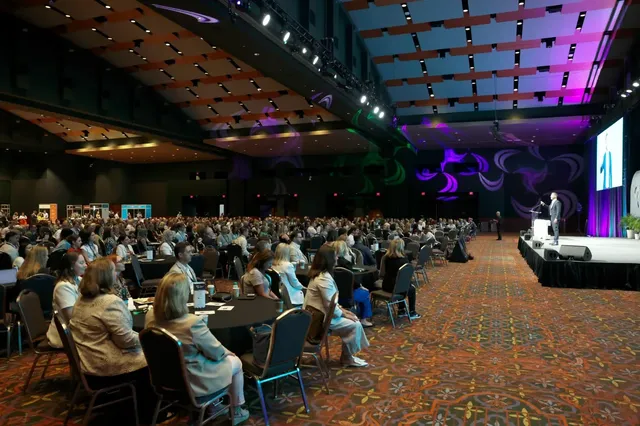
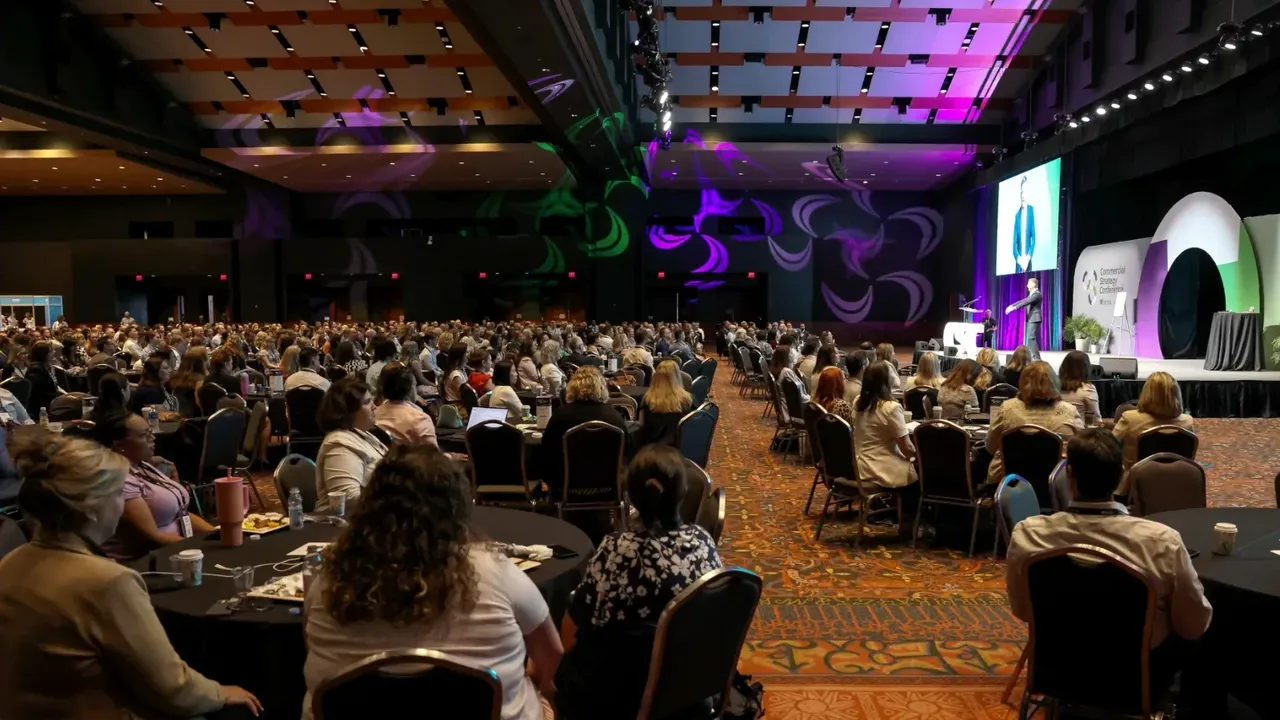
Major congresses go to Tokyo Big Sight in Ariake, with 115,420 m² of exhibition space and a 1,000-seat International Conference Hall. For plenaries with a central address, Tokyo International Forum in Marunouchi offers Hall A at 5,012 seats plus 30-plus meeting rooms. Corporate conferences suit Toranomon Hills Forum (around 720 theatre-style). Executive meetings and prestige dinners belong in the hotel ballrooms around Hibiya and Marunouchi.
How do speakers and delegates get to Tokyo?
Haneda (HND) sits inside the city: roughly 20 minutes to Tokyo Station, about 11 minutes to Shinagawa by Keikyu, and 13–18 minutes to Hamamatsucho on the Tokyo Monorail. Narita (NRT) lies some 60 km east in Chiba, with the Narita Express reaching Tokyo Station in as little as 53 minutes and the Keisei Skyliner reaching Ueno in about 41. Domestic delegates arrive by Shinkansen into Tokyo Station.
How do groups move around Tokyo on event day?
Rail beats road almost everywhere. The Otemachi–Marunouchi–Yurakucho area is served by 13 stations across 28 lines, so delegates staying centrally rarely need transport at all. Tokyo Big Sight is reached via the Yurikamome from Shimbashi in about 22 minutes or the Rinkai Line. Chartered coaches work for evening transfers; avoid moving groups by road during the morning peak.
Where should attendees stay, and what will it cost?
Match the district to the venue: Marunouchi, Otemachi and Yurakucho for Tokyo Station events; Toranomon, Akasaka and Roppongi for Minato conference centres; Shiodome, Odaiba or Ariake for Big Sight. Tokyo's accommodation tax currently runs at ¥100 per person per night for rooms of ¥10,000–14,999 and ¥200 from ¥15,000, with stays below ¥10,000 exempt. From April 2027 it shifts to 3% above a ¥13,000 threshold.
What should you know about Tokyo business audiences?
Sessions start exactly on time, and the schedule is respected to the minute. Audiences tend to listen without visible reaction; a quiet Q&A signals convention, not disinterest, and written question cards or post-session conversations often draw far more out. Decisions are built through consensus rather than settled in the room. Expect mixed Japanese and international seniority, and seating that reflects rank.
How do you build a programme around the keynote?
Tokyo gives an organiser real range. Grand sumo tournaments run at Ryogoku Kokugikan each January, May and September and make an unforgettable afternoon anchor. Evenings work well as a Tokyo Bay cruise from Hinode Pier, a Nihonbashi or Ginza dinner, or a group visit to the digital art spaces in Azabudai Hills. For early risers, Toyosu market opens the day memorably.