Organizing a keynote in Kuwait comes with its own logistics, from seasonal timing to transfers between hotel and venue. These answers give event planners a practical starting point.
Which venues host corporate events in Kuwait?
Large congresses and exhibitions use the Kuwait International Fair in Mishref, about 15 to 20 minutes from the airport. Prestige events can draw on the Sheikh Jaber Al-Ahmad Cultural Centre or the Sheikh Abdullah Al Salem Cultural Centre. Corporate conferences and galas often take place in hotel ballrooms such as Four Seasons Kuwait at Burj Alshaya, while executive meetings and offsites suit seafront hotels in Messilah.
How do speakers and delegates get to Kuwait?
International flights arrive at Kuwait International Airport, around 16 km south of Kuwait City and the hub of Kuwait Airways and Jazeera Airways. Depending on traffic, the drive to central hotels takes about 20 minutes. Kuwait has no passenger rail network, so regional connections run by air or by road, including the highway to Saudi Arabia.
How do groups move around Kuwait on event day?
Kuwait is a car-based city with no metro, so private coaches or chauffeured vehicles are the most dependable way to move a group between hotel, venue and dinner. Taxis and ride-hailing apps suit individual trips. Build buffer time into transfers at peak hours and keep outdoor walking to a minimum in the hot months, when even short distances are tiring.
Where should attendees stay, and what will it cost?
For downtown events, the central districts of Mirqab and Sharq are the practical base, with hotels such as JW Marriott Kuwait City and Four Seasons Kuwait at Burj Alshaya close to banks, ministries and offices. For seafront venues, Salmiya and Messilah work well. Request group rates early for the cooler months, and remember that alcohol is not served in Kuwait.
What should you know about Kuwait business audiences?
Kuwaiti business culture is relationship-driven, and seniority matters. Senior leaders often open or frame an event, and their visible support shapes how the room responds. Audiences mix Kuwaiti nationals with a large expatriate workforce, and English is widely understood. Open-floor questions can start slowly in front of senior colleagues, so moderated or written Q&A formats often bring in more voices.
How do you build a programme around the keynote?
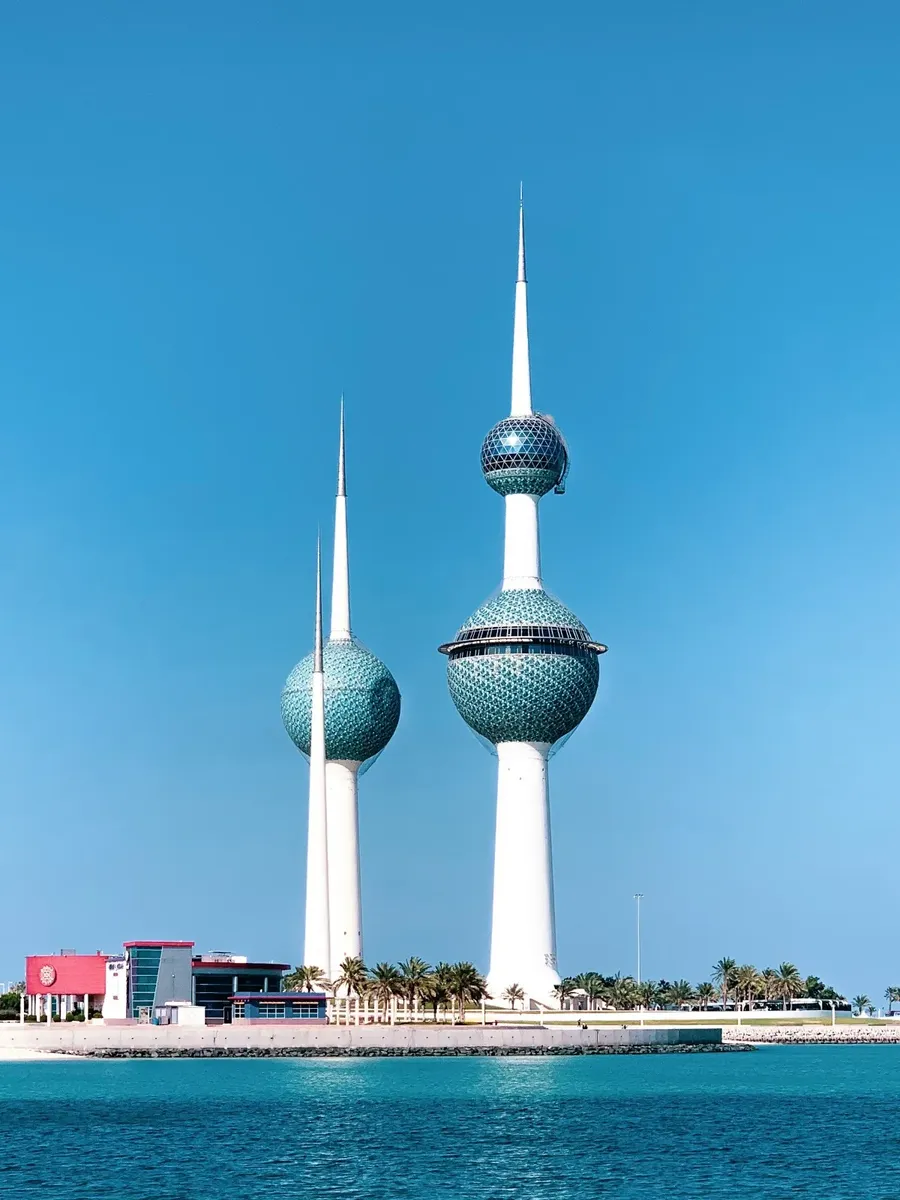
Kuwait's evening culture gives a programme a natural rhythm. Organizers can follow the keynote with a dinner overlooking Kuwait Towers, a sunset dhow cruise along the coast, or a guided visit to the Sheikh Abdullah Al Salem Cultural Centre. A diwaniya-style discussion, modeled on the traditional Kuwaiti evening gathering, works well for executive follow-up conversations.